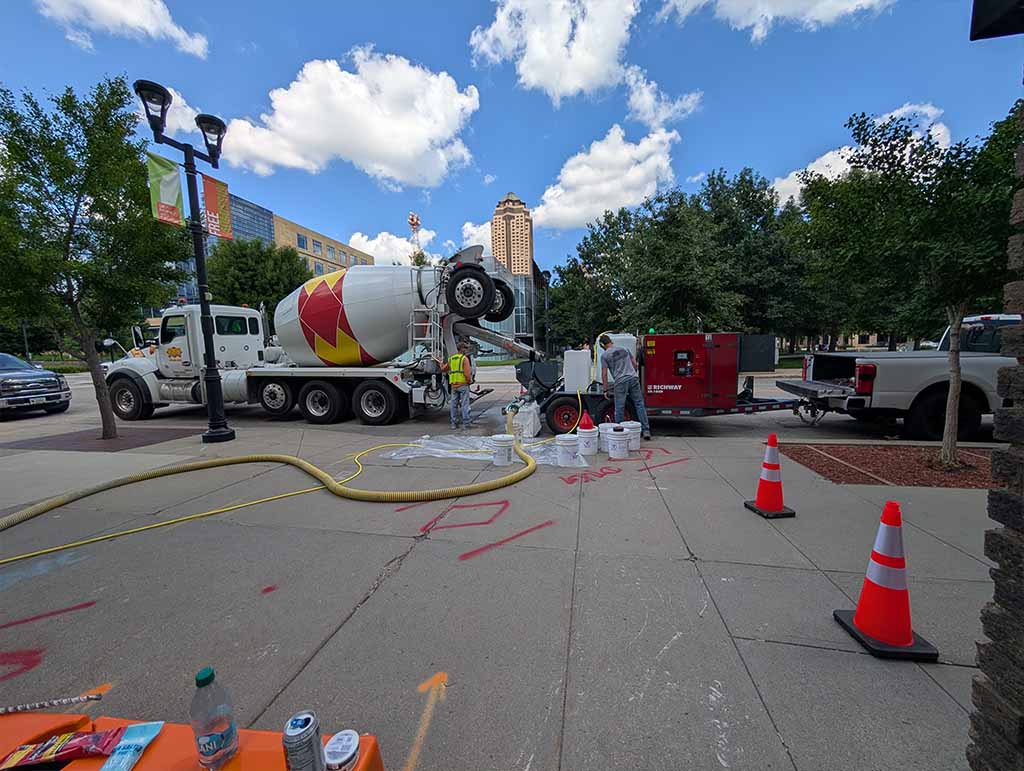
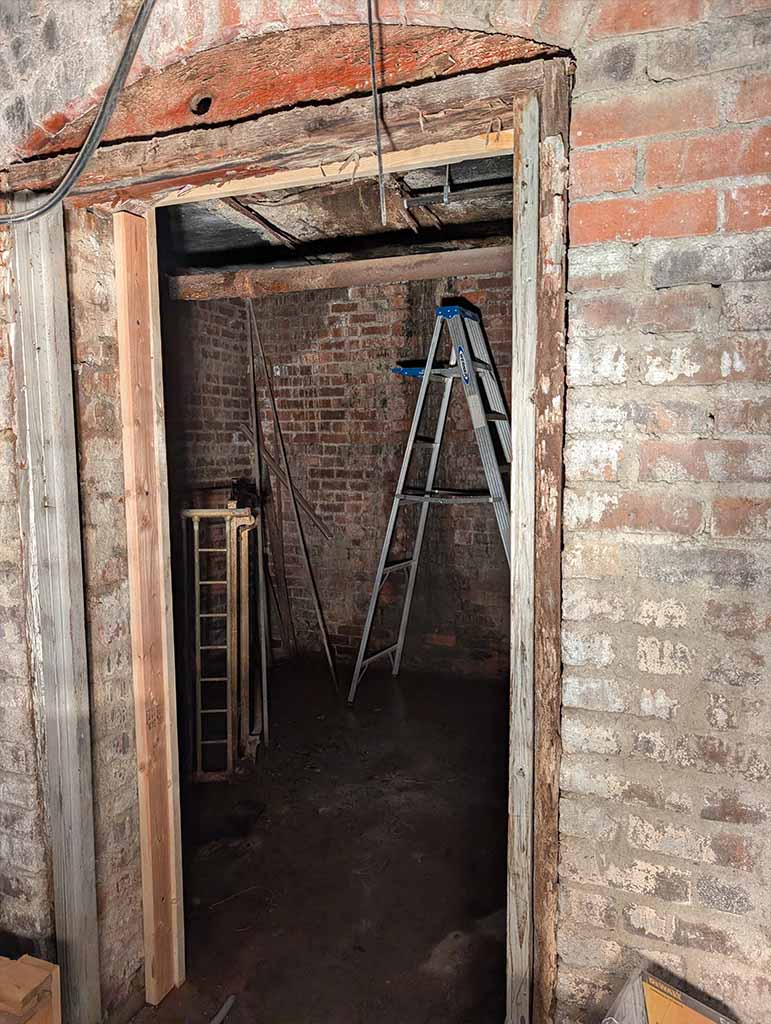
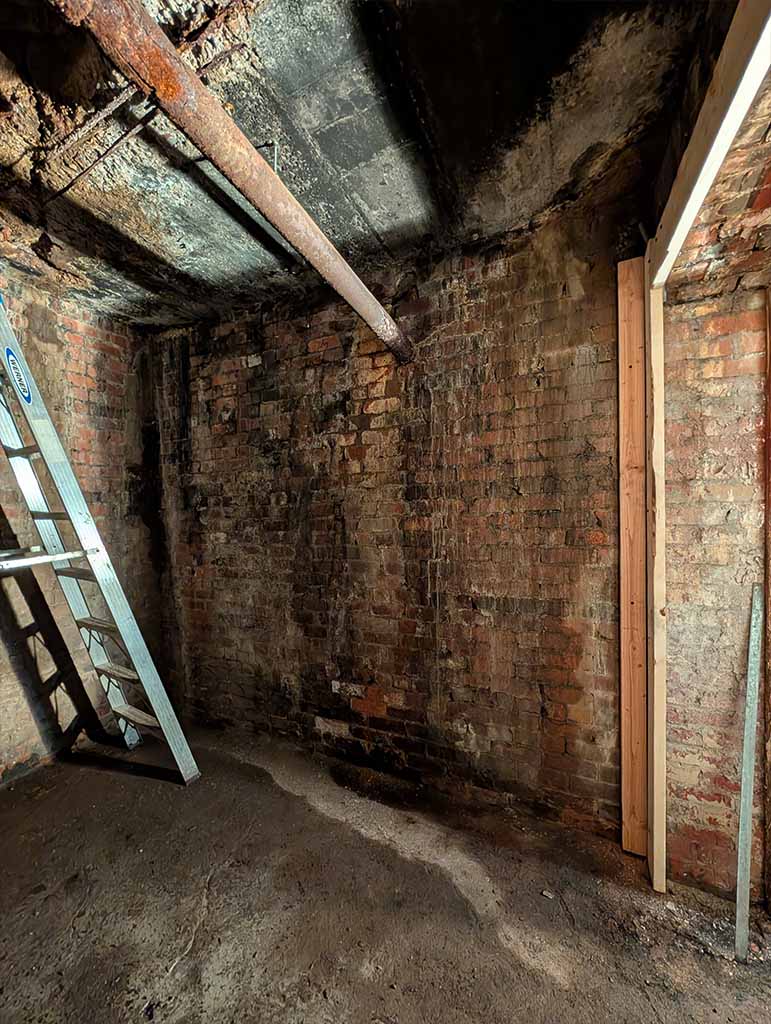
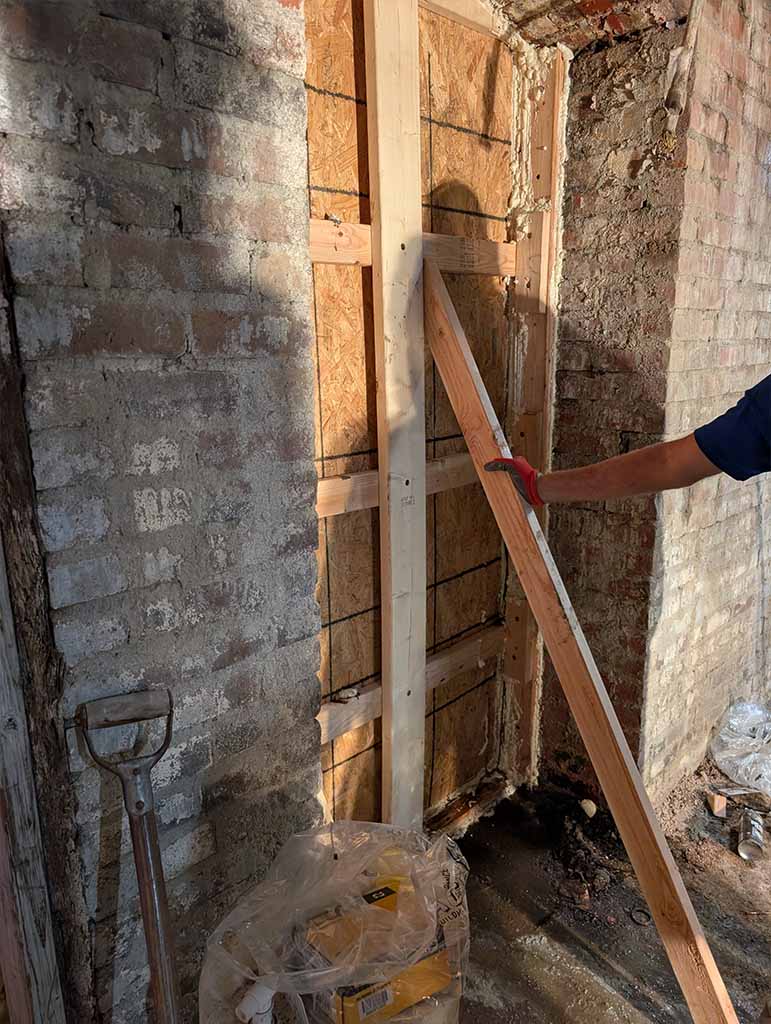
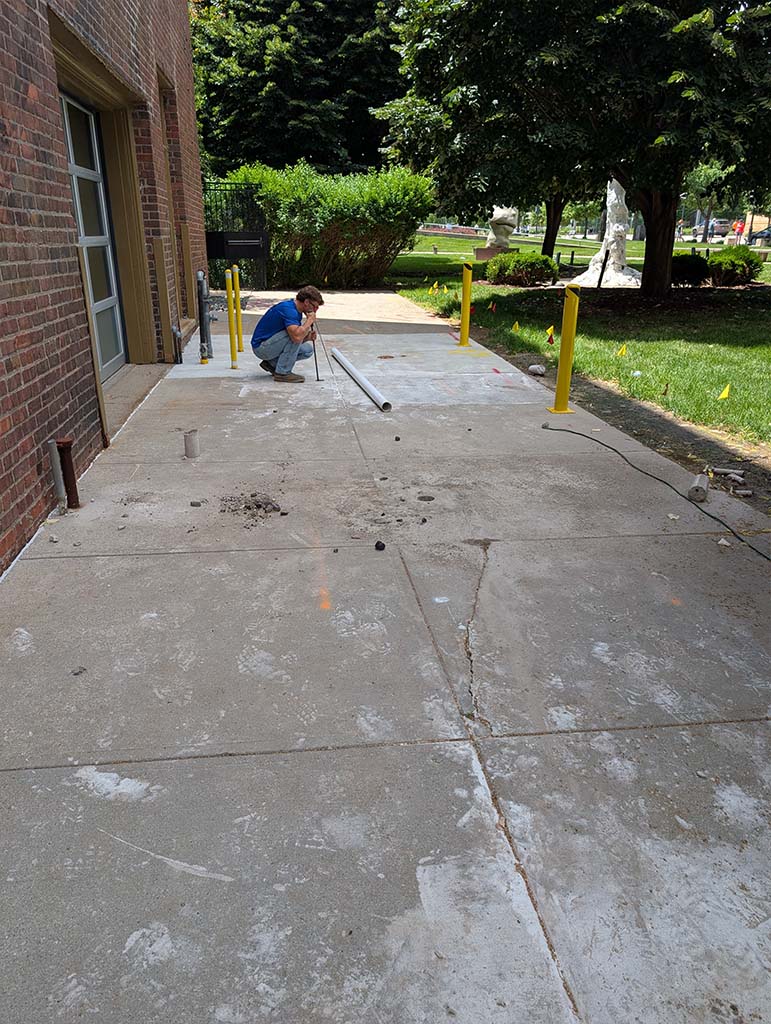
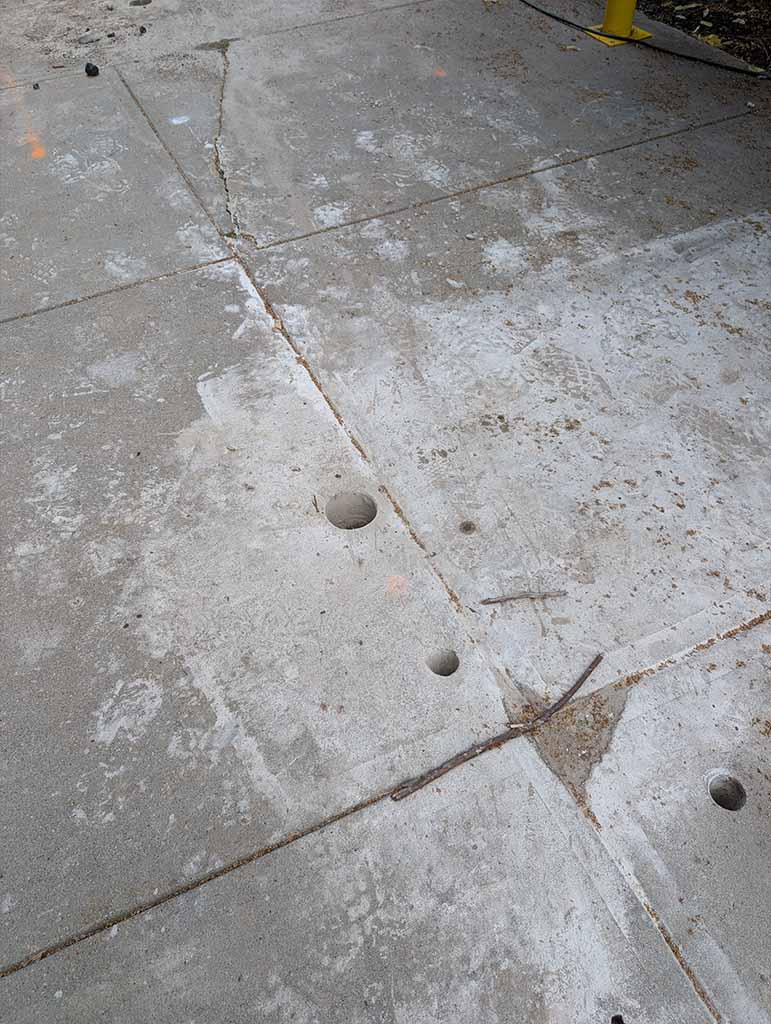
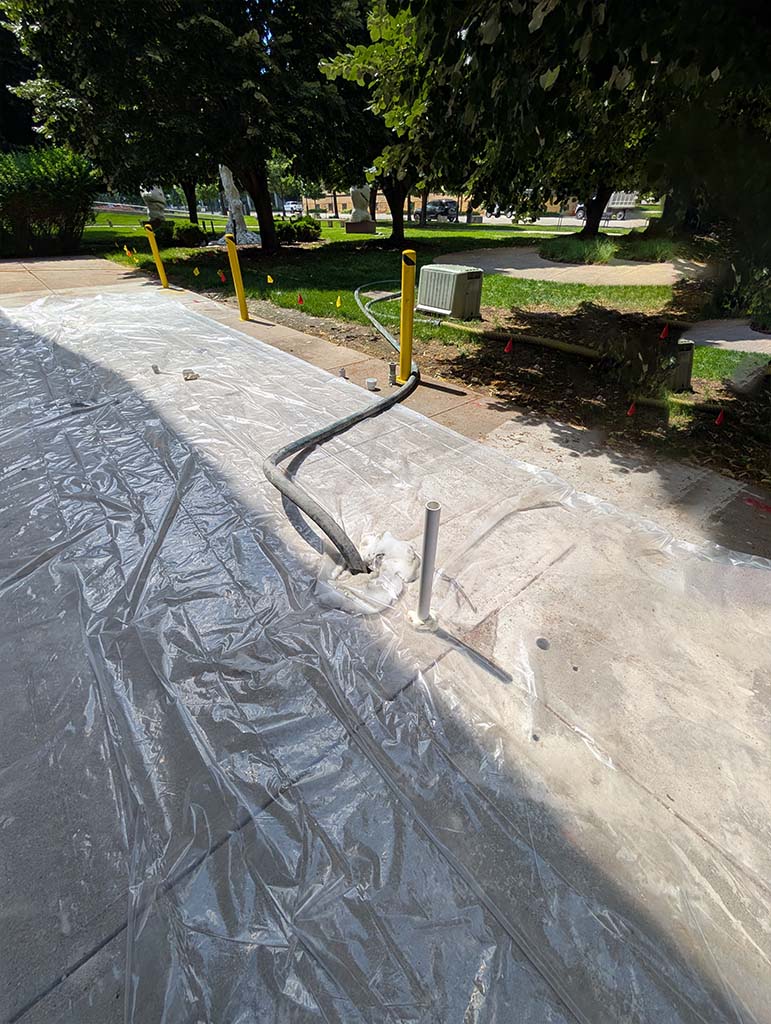
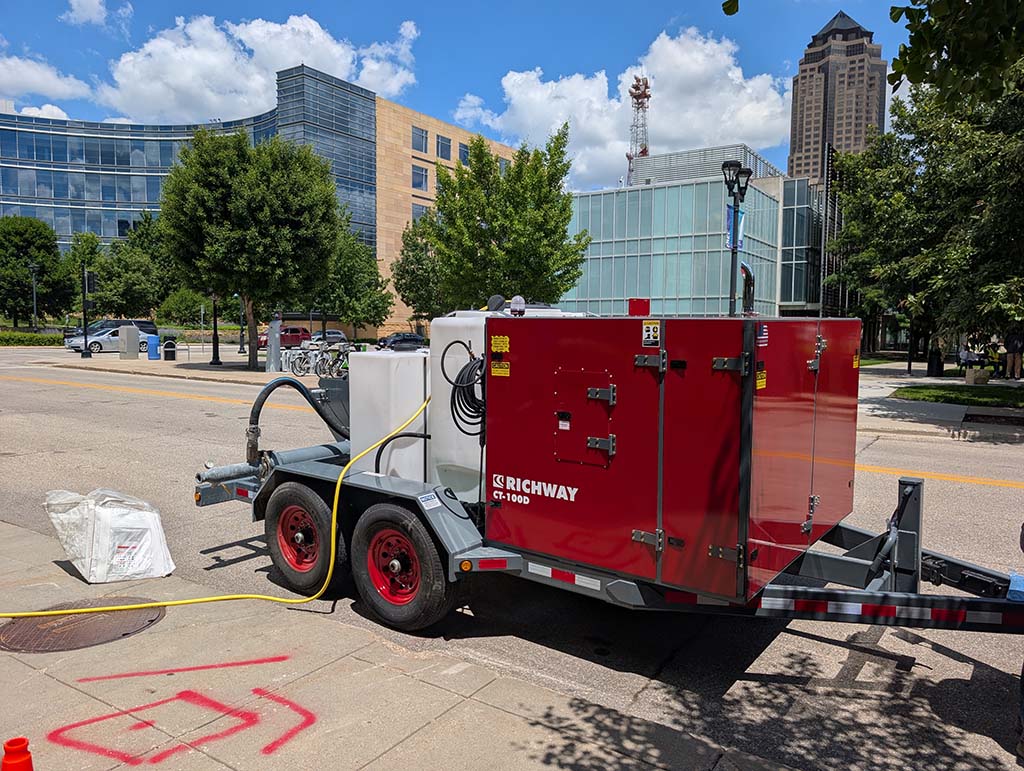
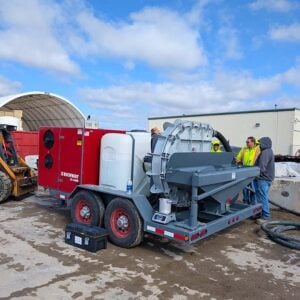
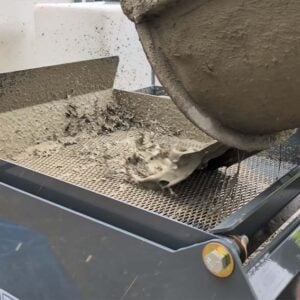
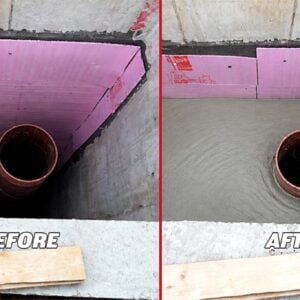
Filling approximately 150 cubic yards of cellular concrete across five basement voids sounds straightforward until you consider what is happening beneath the surface. Every void fill project presents unique challenges, but basement fills can be particularly unforgiving. Hidden pathways, unknown conditions, aging structures, and material containment all become critical considerations.
On this project, success came down to four key areas:
Bulkhead design and construction
Material containment and leak management
Communication and response planning
Persistence when field conditions changed
Building the Right Bulkheads
Before a single cubic yard of cellular concrete could be placed, the contractor had to answer a fundamental question:
Can the structure safely contain the pressure being created?
Many operators focus on mix design and pumping rates while overlooking the forces acting against temporary bulkheads.
Although cellular concrete is significantly lighter than conventional concrete, it still exerts substantial lateral pressure. A 30-yard basement void can create thousands of pounds of force against a temporary retaining structure.
Bulkhead failure can result in:
Material loss
Additional labor costs
Damage to adjacent areas
Schedule delays
Safety concerns
Successful bulkheads require consideration of:
Fill height
Material density
Span distances
Structural attachment points
Bracing requirements
Engineers often reference hydrostatic pressure calculations when designing containment systems. As fill height increases, so does the force applied to the structure.
A simple rule applies: The higher the fill and the larger the opening, the stronger the bulkhead must be.
The crews that consistently succeed on void-fill projects are the crews that spend extra time planning containment before pumping begins.
Leak Management Is Not a Material Problem, It's an Information Problem
Most contractors expect leaks.
The question is not whether material will attempt to escape. The question is:
How quickly can the team identify it, communicate it, and respond?
Every basement structure contains unknowns:
Cracks
Utility penetrations
Floor joints
Drain systems
Abandoned openings
Cellular concrete is specifically designed to flow into and around these spaces. Unfortunately, that means it will also find unintended pathways. The best crews treat leak management as a quality-control process.
This project required constant observation of surrounding areas while filling was underway. When material appeared where it wasn’t expected, pumping operations were adjusted, leaks were addressed, and filling resumed.
The goal isn’t preventing every leak. The goal is controlling them before they become significant. Early detection almost always costs less than cleanup.
Communication Determines Whether Small Problems Stay Small
This was perhaps the most important lesson from the project. Communication isn’t simply informing someone that a leak exists. Communication is creating a response system before the leak occurs.
Successful crews establish:
Who monitors surrounding areas
Who communicates with the pump operator
Who has authority to stop production
What actions will be taken if migration occurs
Without this structure, a minor leak can quickly become a major problem.
When cellular concrete is being placed, conditions can change rapidly. A crew that communicates effectively can make adjustments in minutes. A crew that doesn’t may spend hours correcting avoidable issues.
The contractor on this project maintained constant communication between personnel monitoring the structure and personnel operating the equipment. That coordination helped ensure issues were identified and addressed before they escalated.
Perseverance Pays Off
Most successful void-fill projects encounter obstacles.
Unexpected leaks.
Additional containment work.
Changing site conditions.
Access limitations.
The difference between a successful project and an unsuccessful one is rarely the absence of problems. It’s the ability to work through them.
Throughout this project, the contractor encountered multiple challenges that required adjustment and problem-solving. Instead of viewing these obstacles as setbacks, the team treated them as part of the process.
Every correction improved the next phase of the operation. Every challenge provided additional information about the structure. Every adjustment moved the project closer to completion.
In the end, all five basement voids were successfully filled, not because conditions were perfect, but because the team adapted when conditions weren’t.
The Result
All five basement voids were successfully filled, providing a stable and reliable solution for the customer.
Projects like this demonstrate that successful cellular concrete work requires more than quality equipment and material. It demands preparation, attention to detail, strong communication, and a team that refuses to quit when conditions become challenging.
In the end, those qualities are what turn difficult projects into successful ones.
Ready to Upgrade Your Fleet's Capabilities?
Whether you are a mid-sized specialty contractor looking to break into the lightweight fill market or an established civil firm wanting to move away from inefficient truck dosing, we are here to help. Contact us today to schedule a technical consultation, ask specific equipment questions, or arrange a hands-on training session at our facility.