Sustainable Construction: Why Cellular Concrete Is Reshaping Infrastructure Restoration (part 1 of 3)
What Is Cellular Concrete and Why It’s Changing Infrastructure Restoration
From aging bridges to unstable soils, infrastructure restoration projects demand materials that are strong, lightweight, and easy to place. Increasingly, engineers and contractors are turning to Cellular Concrete, a proven material that delivers performance, sustainability, and cost savings in one solution.
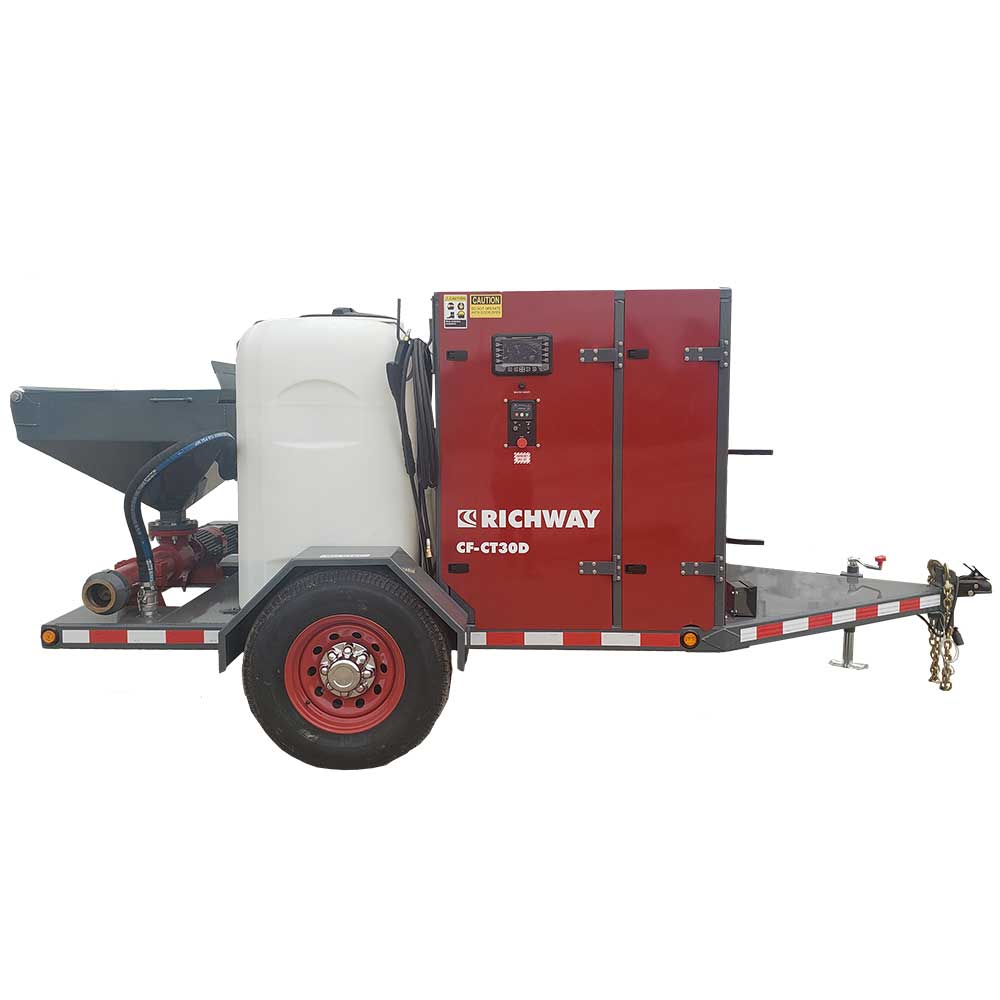
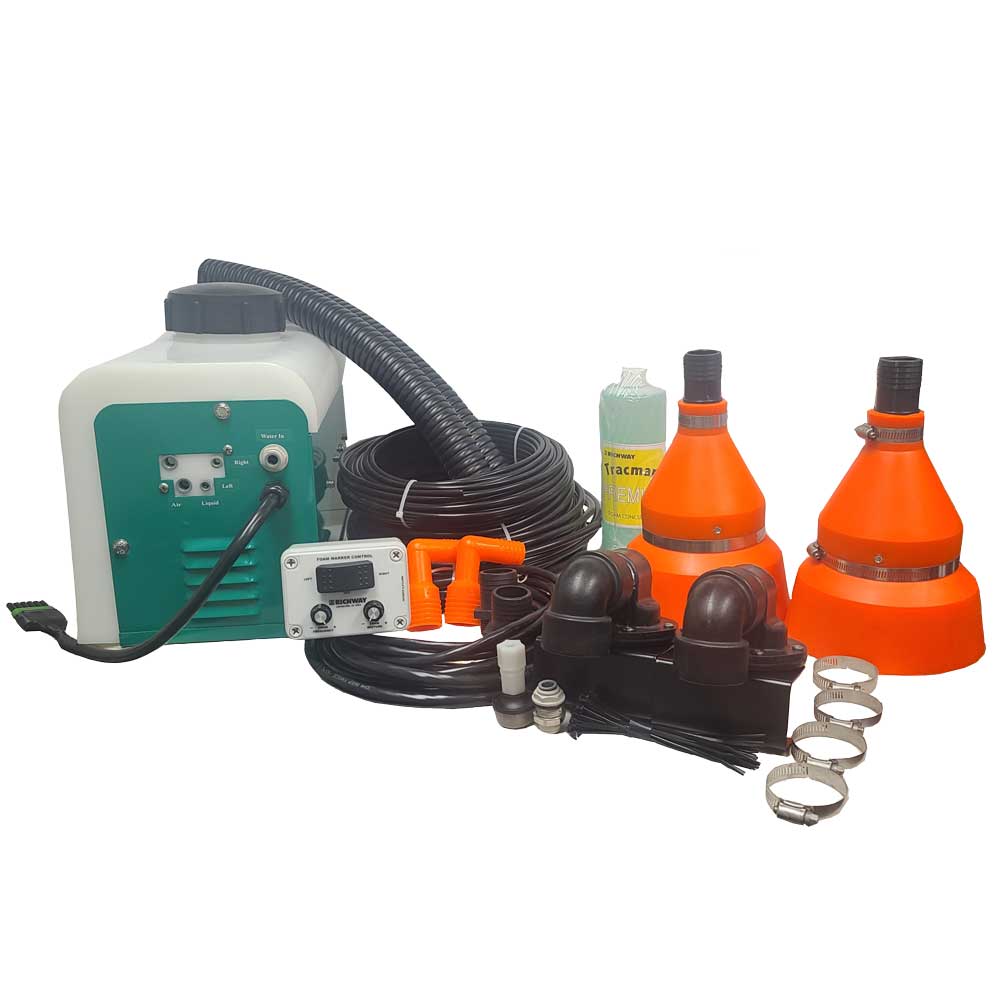
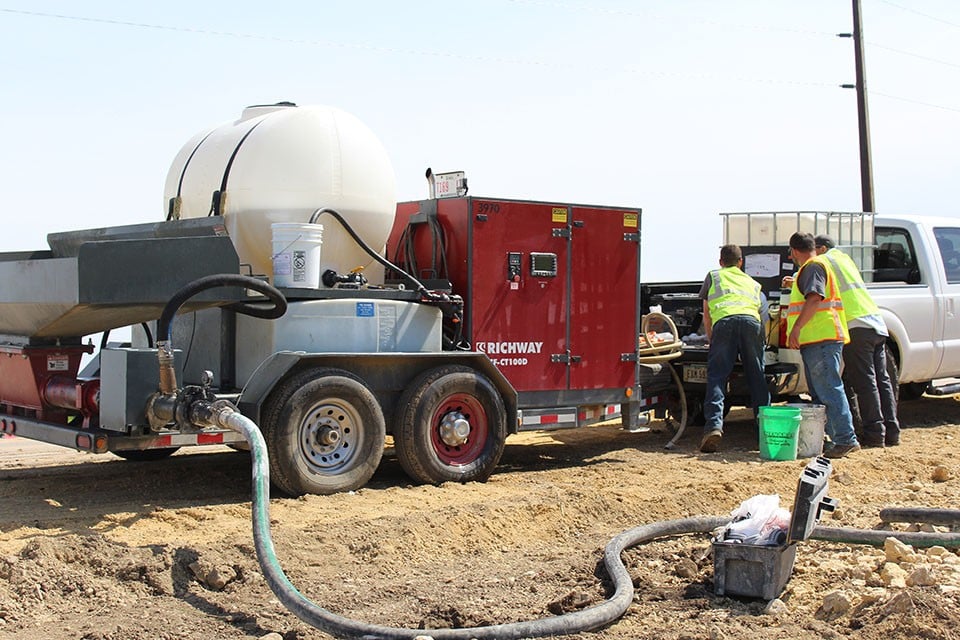
At Richway Industries, we’ve been designing and manufacturing cellular concrete equipment and foam systems for more than 40 years. We’ve seen firsthand how cellular concrete is transforming the way contractors tackle tough geotechnical and civil engineering challenges.
What is LDCC?
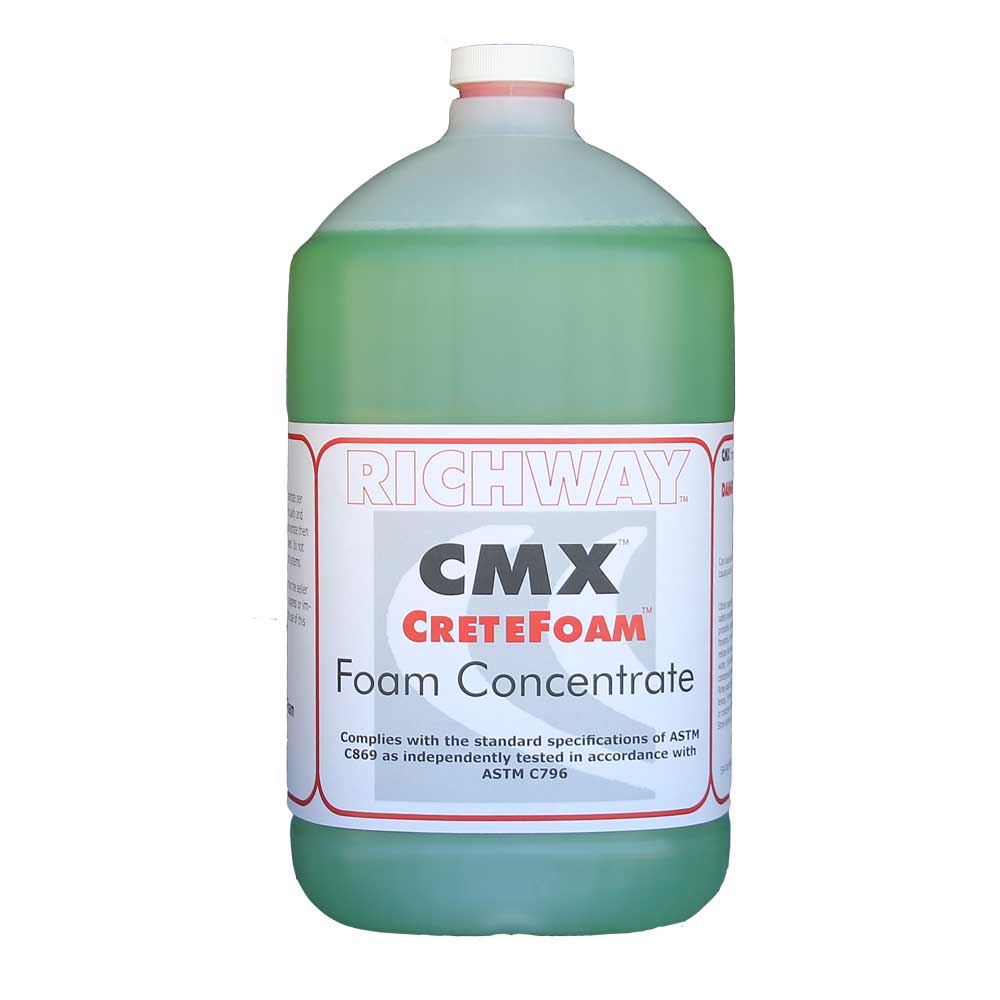
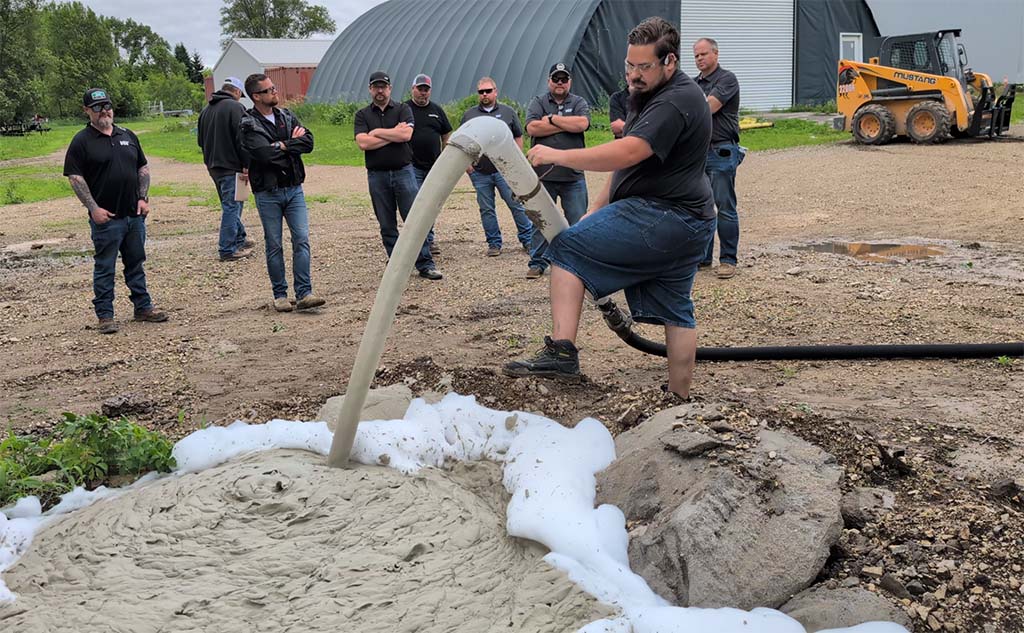
Cellular Concrete is a flowable, air-entrained concrete made by mixing a cement slurry with pre-formed foam. The foam introduces millions of uniform air cells, creating a stable, lightweight structure that maintains excellent strength-to-weight characteristics.
Typical densities range from 20 to 120 pounds per cubic foot (pcf), allowing cellular concrete to be tailored for a wide range of applications. It’s self-compacting, non-segregating, and easily pumped over long distances.
Why It's a Game-Changer
Lightweight Strength: Reduces load on underlying soils and structures.
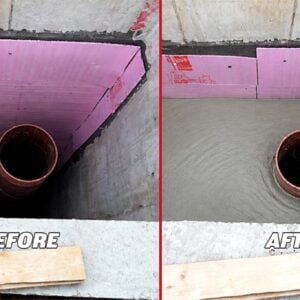
Ease of Placement: Flows and self-levels into irregular voids without compaction.
Predictable Performance: Consistent density and strength with proper equipment calibration.
Versatility: Works for void fill, trench backfill, bridge approaches, and more.
This combination of properties makes cellular cobncrete a reliable alternative to traditional fills, providing faster installation and long-term stability.
Applications in Infrastructure
Cellular Concrete is now being used in:
Bridge approaches to reduce settlement.
Void and annular fills for abandoned pipes or tunnels.
Soil stabilization over weak subgrades.
Trench backfill and utility bedding for smoother restoration.
Each application benefits from cellular concrete’s flowability, reduced weight, and superior load distribution.
Cellular Concrete isn’t just a new material, it’s a smarter approach to infrastructure design and repair. As manufacturers of reliable cellular concrete systems, Richway Industries helps contractors produce consistent cellular concrete with precision and confidence.