Sustainable Construction: Why Cellular Concrete Is Reshaping Infrastructure Restoration (part 2 of 3)
Building Green: How Cellular Concrete Advances Sustainable Construction
Sustainability in construction isn’t just about what we build, it’s about how we build it. With mounting pressure to reduce carbon emissions, lower resource use, and extend infrastructure life, engineers are seeking smarter materials that support long-term performance.
Cellular Concrete has emerged as one of a number of new sustainable solutions available today. Its unique composition and installation advantages align perfectly with the environmental goals of modern infrastructure design.
Less Material, More Efficiency
Cellular Concrete replaces much of the aggregate found in traditional concrete with air, meaning less cement, less water, and lower embodied carbon per cubic yard. This efficiency translates to:
Reduced raw material consumption
Lower cement demand (cement is among the largest CO₂ contributors in construction)
Lighter weight for easier transportation and reduced fuel usage
The result is a more environmentally responsible mix that performs without compromise.
Lower Energy Use and Emissions
Because cellular concrete is lightweight and pumpable, it requires fewer truckloads and less heavy equipment on-site. That not only reduces fuel emissions but also minimizes wear on surrounding infrastructure, an often-overlooked sustainability benefit.
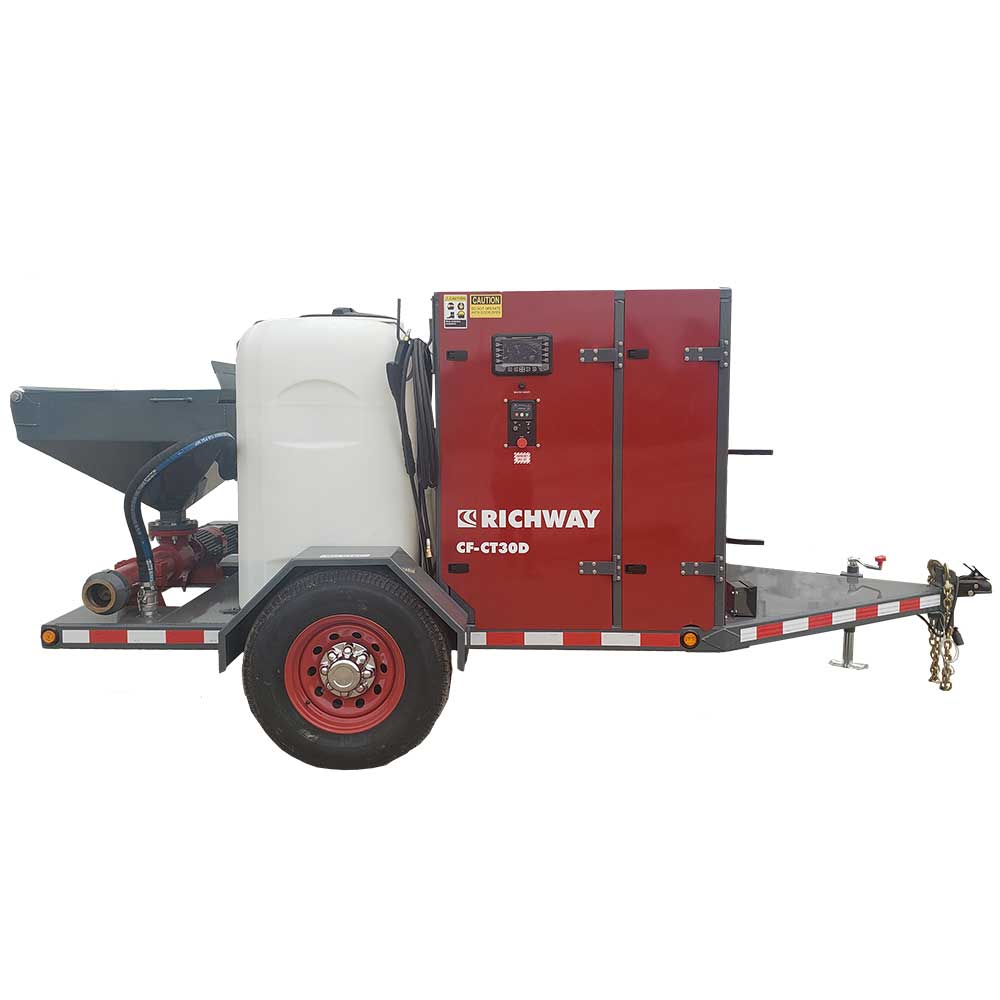
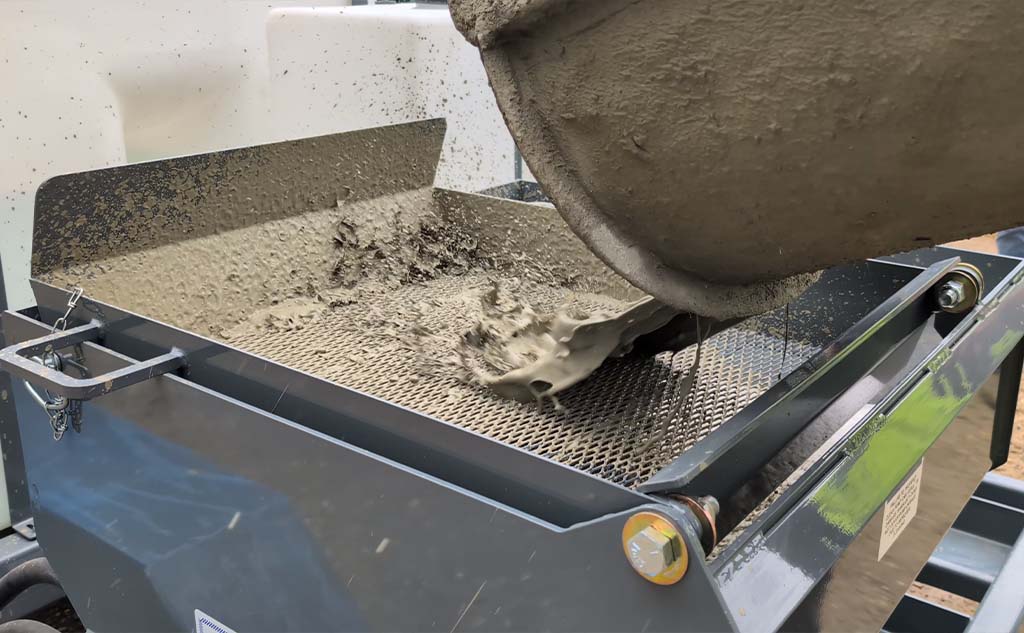
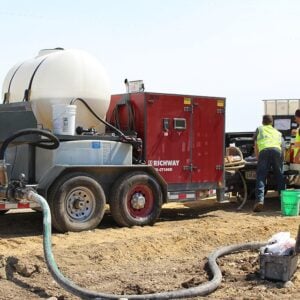
When used with Richway’s precision foam mixing and pumping systems, contractors can produce cellular concrete consistently on-site, eliminating unnecessary material waste or hauling.
Durability That Extends Lifecycle
Sustainability isn’t just about building green, it’s about building to last. Cellular Concrete resists settlement, cracking, and erosion, meaning repairs and replacements are less frequent. Over the lifespan of a structure, that durability significantly reduces both costs and environmental impact.
From design to placement, LDCC embodies sustainability in action, lighter, cleaner, and more efficient. At Richway Industries, we help builders and engineers produce LDCC that meets demanding sustainability standards while maintaining reliability and performance.